
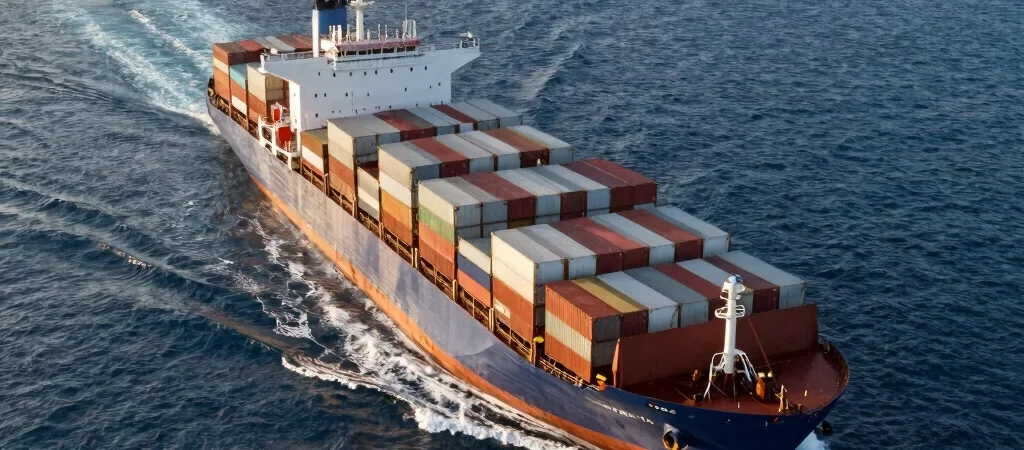
Ocean freight carriers have largely standardized longer transit schedules as persistent maritime security risks divert vessels away from critical shortcuts. The extra twelve to fourteen days required to navigate around the southern tip of Africa are no longer treated as an emergency detour, but as the baseline operating reality for major shipping alliances. This structural shift has rewritten global supply chain logistics from Mediterranean ports to East Coast terminals.
Re-Routing Logistics Around the African Coast
Rerouting container fleets around the Cape of Good Hope requires significantly higher fuel burn and vessel capacity to maintain weekly service loops. Shipping lines have deployed previously idling ships to fill schedule gaps, absorbing excess global container capacity that once threatened to depress freight rates. Fuel bunkering stops along African ports have surged, creating localized infrastructure strain while boosting regional marine service revenues.
Port Congestion and Container Allocation Dynamics
Terminal operators in Rotterdam, Antwerp, and Hamburg are managing unpredictable vessel arrival waves rather than steady, staggered call schedules. Unloading bursts cause localized container yard congestion, delaying onward rail and barge transport into continental manufacturing centers. Logistics managers are responding by holding larger safety stock buffers, reversing decades of lean just-in-time inventory practices.
Long-Term Supply Chain Adaptation
Enterprise procurement teams are diversifying sourcing origins to hedge against perpetual corridor disruptions. Nearshoring initiatives in Southeast Europe and Central America are gaining capital commitment as corporate boards weigh transit reliability over marginal unit cost savings. The global trade architecture is steadily evolving into shorter, regionalized supply rings anchored by reliable overland and coastal transit networks.